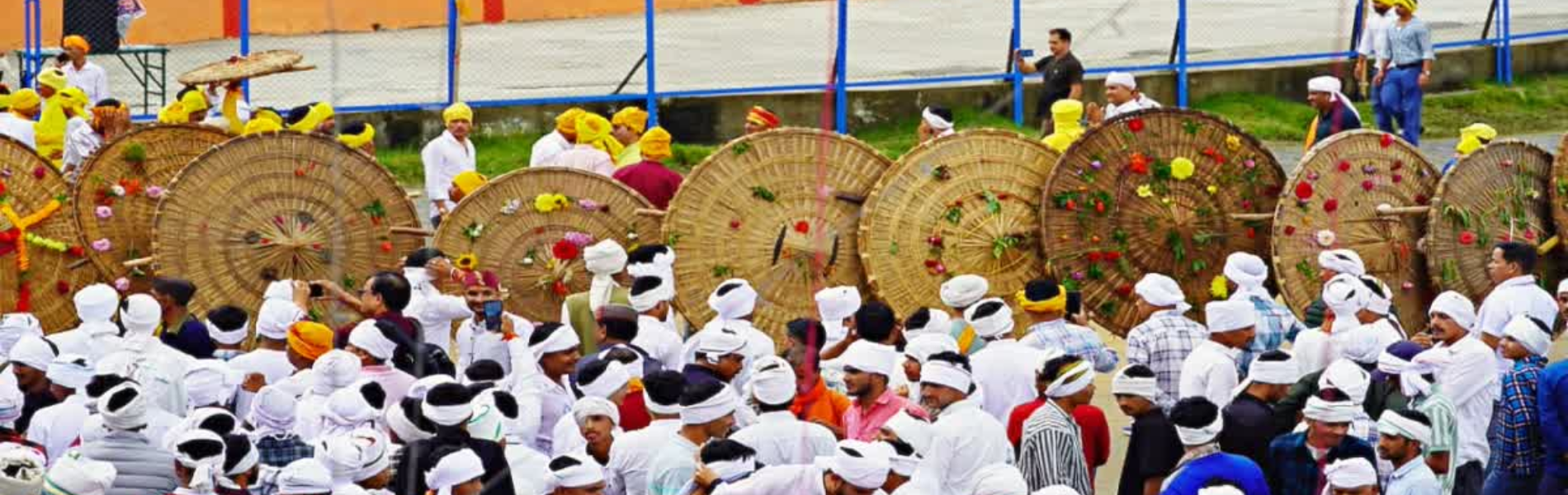
Uttarakhand Rituals
Uttarakhand, often referred to as the “Land of Gods,” is a state in northern India that is steeped in rich traditions, culture, and spirituality. The people of Uttarakhand practice a wide range of rituals that define their way of life. These rituals are not merely formalities but are expressions of deep faith, reverence for nature, and a strong sense of community. From the grand festivals celebrated with fervor to the intimate family rites, Uttarakhandi rituals reflect the region’s connection to its roots, its deities, and the natural world.
Religious Rituals in Uttarakhand
Religion forms the backbone of daily life in Uttarakhand. The state is home to numerous temples and pilgrimage sites, making religious rituals a significant part of its culture. The state’s geographical landscape, with its towering mountains and sacred rivers, is believed to be the abode of many deities, and the people hold deep respect for these divine entities.
Ganga Aarti and Temple Worship
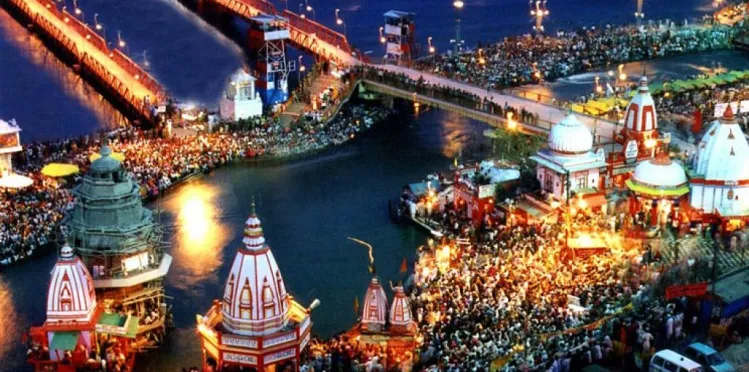
One of the most famous rituals in Uttarakhand is the Ganga Aarti, which takes place on the banks of the Ganges River, particularly in Haridwar and Rishikesh. This ritual involves the offering of fire and prayers to the Ganges, symbolizing purification, peace, and spiritual upliftment. Devotees gather in large numbers during evening aartis, where priests chant hymns, and devotees light diyas (lamps) and incense. The sight of thousands of diyas floating on the river is a mesmerizing experience that captures the essence of Uttarakhand’s religious fervor.
The temples of Uttarakhand, including the famous Kedarnath, Badrinath, and Yamunotri, are significant pilgrimage sites for Hindus. Every year, millions of pilgrims visit these temples to perform worship rituals, including pujas (prayers) and aartis (devotional songs). Prasadam (holy offerings) and Swarn (golden offerings) are presented to the deities as an act of devotion and gratitude.
Festivals and Rituals
Uttarakhandis celebrate many religious festivals throughout the year. Festivals like Makar Sankranti, Diwali, Baisakhi, Ganga Dussehra, and Navratri are celebrated with great enthusiasm. Each of these festivals is steeped in ritualistic practices that are intended to invoke blessings from deities.
For example, Makar Sankranti, which marks the beginning of the harvest season, involves rituals like kite flying, taking holy dips in rivers, and offering prayers for a good harvest. Similarly, Baisakhi is celebrated to honor the harvest and the deities who are believed to bless the crops, with rituals that include performing Puja, singing folk songs, and partaking in community feasts. Read More
Weddings and Celebrations in Uttarakhand
The rituals of Uttarakhand are especially visible during weddings. Uttarakhandi weddings are a grand affair, with customs and rituals unique to the region’s cultural diversity, which includes Garhwali, Kumaoni, and Jaunsari traditions. Weddings in Uttarakhand are seen as an auspicious and celebratory occasion, and a series of rituals are performed to ensure a blessed married life.
Pre-Wedding Rituals
The wedding festivities often begin with the Mangni (engagement ceremony), where the bride and groom exchange rings and formal vows. This is followed by Haldi (turmeric ceremony), a cleansing ritual in which turmeric paste is applied to the bride and groom’s bodies. The Haldi ceremony is a joyous occasion, filled with music, laughter, and dancing, as it is believed to purify and bless the couple before their marriage.
One of the most important wedding rituals is the Sindoor Daan. The groom applies Sindoor (vermilion) on the bride’s forehead, symbolizing her new status as a married woman. This act marks the beginning of a lifelong commitment.
Wedding Day Rituals
On the wedding day, several rituals like the Vivaah (marriage ceremony) and Kanyadaan (giving away of the bride) are performed. The groom arrives at the bride’s home or the wedding venue with his family, where the bride’s family welcomes them. The couple is then tied together by the sacred Mangalsutra (a necklace of beads), marking the union. The rituals involve chanting sacred hymns, offering prayers, and taking seven rounds around the sacred fire, symbolizing their vows to stay together in all circumstances.
Post-Wedding Rituals
After the wedding, Vidaai (the bride’s departure) marks an emotional farewell from her parental home to the groom’s house. This is followed by Griha Pravesh (the bride’s entry into the groom’s house), where she is welcomed with rituals to ward off evil and ensure prosperity in her new home.