Bhoksa Tribe

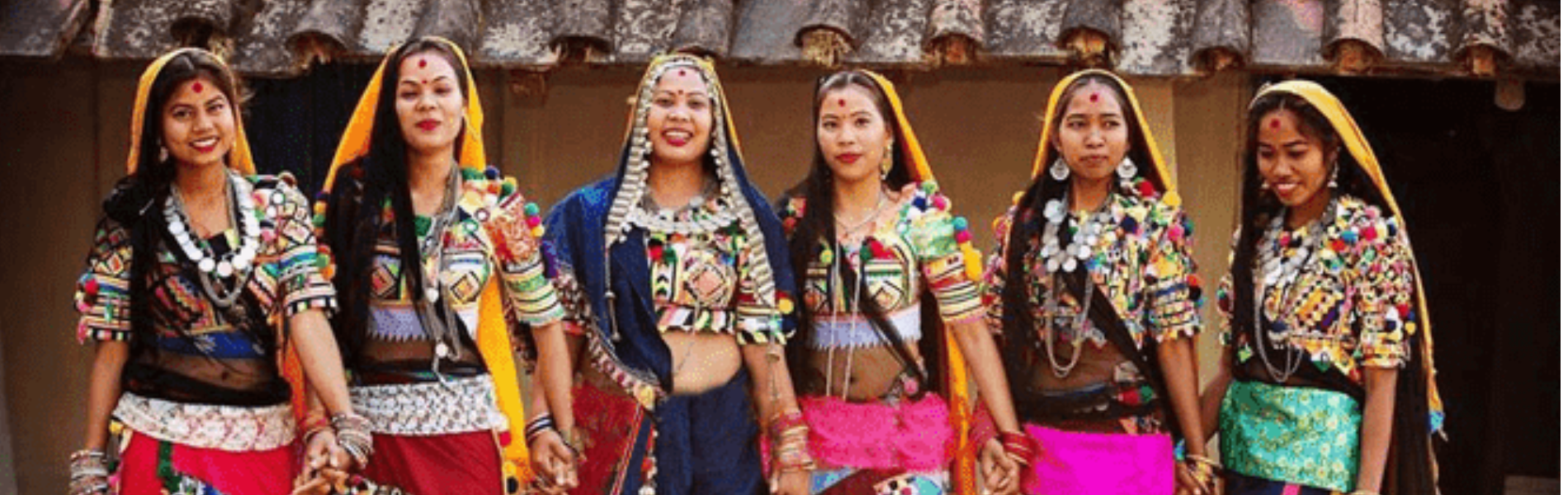
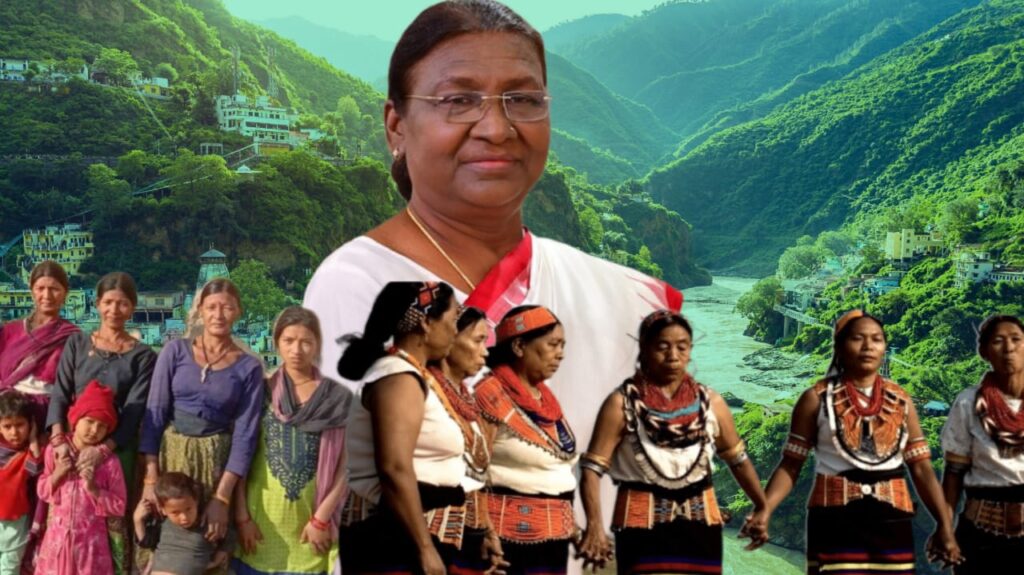
The Bhoksa or Buska are the tribal people that inhabit the area of the Dehradun, Nainital, and Pauri Garhwal districts of Uttarakhand. These tribal people mainly reside in the foothills of the Himalayas in North Central India. They are mainly employed in agriculture and raising sheep for meat and wool. The Bhoska men also work as mountain guides for tourists. The literacy rate of Bhoksa men is greater in comparison to women.

CULTURAL PROFILE AND LANGUAGE OF THE BHOKSA TRIBE

Until 1977, the villages of Bhoksas were exclusively inhabited by the Buska tribe and mostly isolated. Nowadays, other communities also Started living in their Village, for example Hindus and Muslims. The language spoken in the Buskas tribe is mainly in the Buska dialect; now they also speak a little bit of Hindi. Most of their folk songs are in the Buxuari dialect, which is their mother tongue. In Dehradun, the Buska is also known as Mehra Rajput and even today they have no issue with this name, as they perceive they are Rajputs.

PHYSICAL FEATURES OF THE BUSKA TRIBE

The Buska people have a height of around 5 feet 6 Inches, stout stature, small eyes with the opening of eyelids being narrow and horizontal. the face being comprehensive across the cheekbones, and nose being flat, a classical description that fits “Mangloid characteristics”.

DAILY LIFE AND MARRIAGE SYSTEM OF BHOKSA PEOPLE

Majorly, the Bhoksa people reside in rural areas. There, the general social structure of the Bhoksa people involves a chief along with his council of elders who make legal and major economic decisions for the village. Some of the common beliefs and rituals about the marriage system are – to gain a bride for their son a family must prove that their son can support his wife by owning some land, and the bride’s parents must pay a ” bride price”to the groom’s family, the Bhoksa marry within their particular clan, cousin marriages are forbidden and women can divorce a man by returning the bride price. They also pay Brahmins to officiate at their important family ceremonies like births, weddings, etc.

HEALTH AND DISEASES

Common health problems and diseases among Buksa of Garhwal are fever, stomach, disorder, TB, and body pains. Other high occurrences of diseases/illnesses are headaches, ear, nose, and throat problems, and skin diseases. They nowadays prefer to visit qualified doctors and medicines for treatment first followed by home treatment and treatment from shamans, i.e. the bhagats. However, the non-availability of qualified doctors in the vicinity adds to the sufferings of patients, it also turns them back to magico- religious healers like bhagats of the area.

SOCIAL ORGANISATION

They are divided into various exogenous clans, commonly referred to as gotra. While the majority of their clan don’t seem to have any mythical ancestors, certain Buksas in the Kumaon division can trace the ancestry back to ” Khera”, a traditional Buksa word. They are of the opinion that the Mushanigotra is derived from the word Mussalman (Muslim) and such Buksa are thought to have been initially Muslims who blended in with the Buksa community with the passage of time. These communities owe numerous folk songs and folk tales, and the women took participation in singing on special occasions. They also play several musical instruments.

Scroll to Top