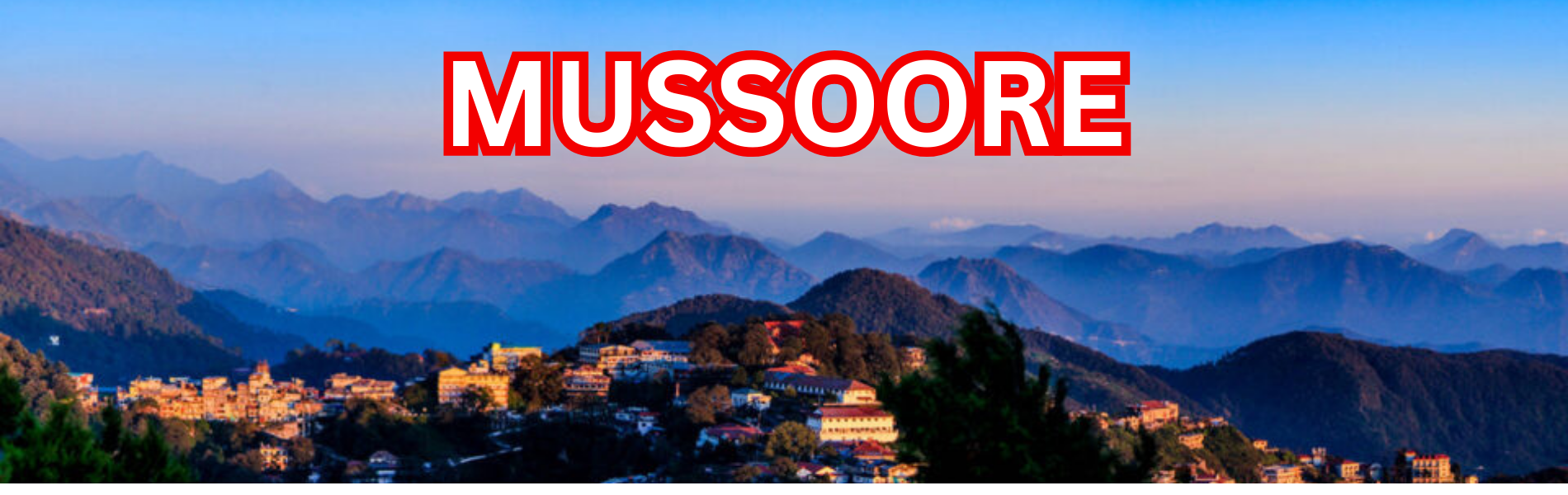
MussoorIe The Queen of the Hills
Nestled in the enchanting foothills of the Garhwal Himalayan range, Mussoorie stands as a serene and picturesque destination, earning its title as “The Queen of the Hills.” Just 35 kilometers from Dehradun and approximately 290 kilometers from New Delhi, this charming hill station offers a captivating blend of natural beauty, colonial legacy, and cultural richness. With its pristine environment, lush greenery, and breathtaking views, Mussoorie has been a beloved retreat for travelers seeking solace and inspiration for decades.
A Glimpse into History
Mussoorie’s origins are steeped in history. The town derives its name from the indigenous shrub mansūr, which is native to the region. Established in 1825 by Captain Frederick Young, a British military officer, Mussoorie quickly gained fame as a summer retreat for the British elite. Its colonial architecture, sprawling estates, and serene surroundings became synonymous with relaxation and rejuvenation for Europeans escaping the sweltering plains of India.
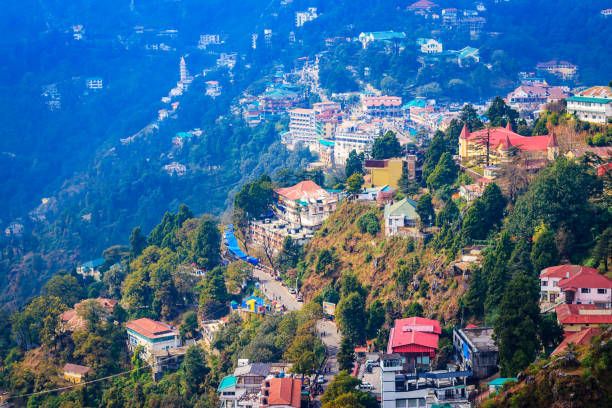
The Scenic Charm of Nature
Mussoorie’s allure lies in its ethereal natural beauty. Perched at an elevation of 2,005 meters (6,578 feet), the hill station offers panoramic views of the snow-capped Himalayan peaks to the northeast and the lush Doon Valley to the south. Each season brings its charm—be it the misty monsoons, the golden hues of autumn, or the snow-laden winters.
Key attractions that highlight the beauty of Mussoorie include:
- Lal Tibba: The highest point in Mussoorie, located at 2,275 meters (7,464 feet). A perfect spot for nature enthusiasts, Lal Tibba offers mesmerizing views of the Himalayan range, including famous peaks like Kedarnath and Badrinath, through a vintage Japanese telescope.
- Gun Hill: The second-highest point in Mussoorie is a favorite among tourists. Once home to a cannon used for time signals during the British era, Gun Hill is now a bustling site offering a ropeway ride, stunning vistas, and a glimpse into the region’s colonial past.
- Kempty Falls: A mesmerizing cascade located about 15 kilometers from Mussoorie. Surrounded by verdant landscapes, Kempty Falls has been a popular picnic spot for generations and offers exciting ropeway rides for tourists.
- Cloud End: Located at the outskirts of Mussoorie, Cloud End offers solitude amidst nature. It is one of the oldest properties in Mussoorie and provides spectacular views of dense deodar forests and the distant peaks of the Himalayas.
Adventure and Serenity Combined
Mussoorie is not just about scenic vistas; it is also a haven for adventurers and nature enthusiasts. Trekking trails around Mussoorie provide thrilling experiences for those who love exploring the great outdoors.
One such trail leads to the Bhadraj Temple, dedicated to Lord Balarama, the elder brother of Lord Krishna. Another popular trek starts from Cloud End and stretches to Dudhli Village, offering travelers captivating views of Chaukhamba and Banderpunch peaks.
Wildlife enthusiasts are drawn to the Benog Wildlife Sanctuary and Van Chetna Kendra, where they can witness the region’s diverse flora and fauna. From dense oak and deodar forests to rare bird species, these sanctuaries protect Mussoorie’s natural heritage. The elusive mountain quail, last spotted in 1876, continues to spark the curiosity of birdwatchers and researchers alike.
Colonial Legacy and Modern Hospitality
Mussoorie’s colonial charm lingers in its architecture, lifestyle, and traditions. The Mall Road, the town’s bustling hub, is a testament to this charm. Lined with vintage shops, quaint cafes, and traditional markets, it is a paradise for shoppers and food lovers.
Landmarks such as the Dunsvirk Court, originally a British manor and later owned by the Maharaja of Baroda, have been transformed into luxurious boutique hotels. These heritage properties combine colonial elegance with modern comfort, offering guests a unique blend of history and hospitality.